
Save our Seas – Protect Life Beneath the Breeze
Our ocean is the lifeblood of our planet, comprising the largest portion of the Earth's surface, accounting for 70%. Our seas regulates the climate, provide livelihood for millions of people worldwide, and are home to an incredible diversity of marine life.
The Beauty of Philippine Seas
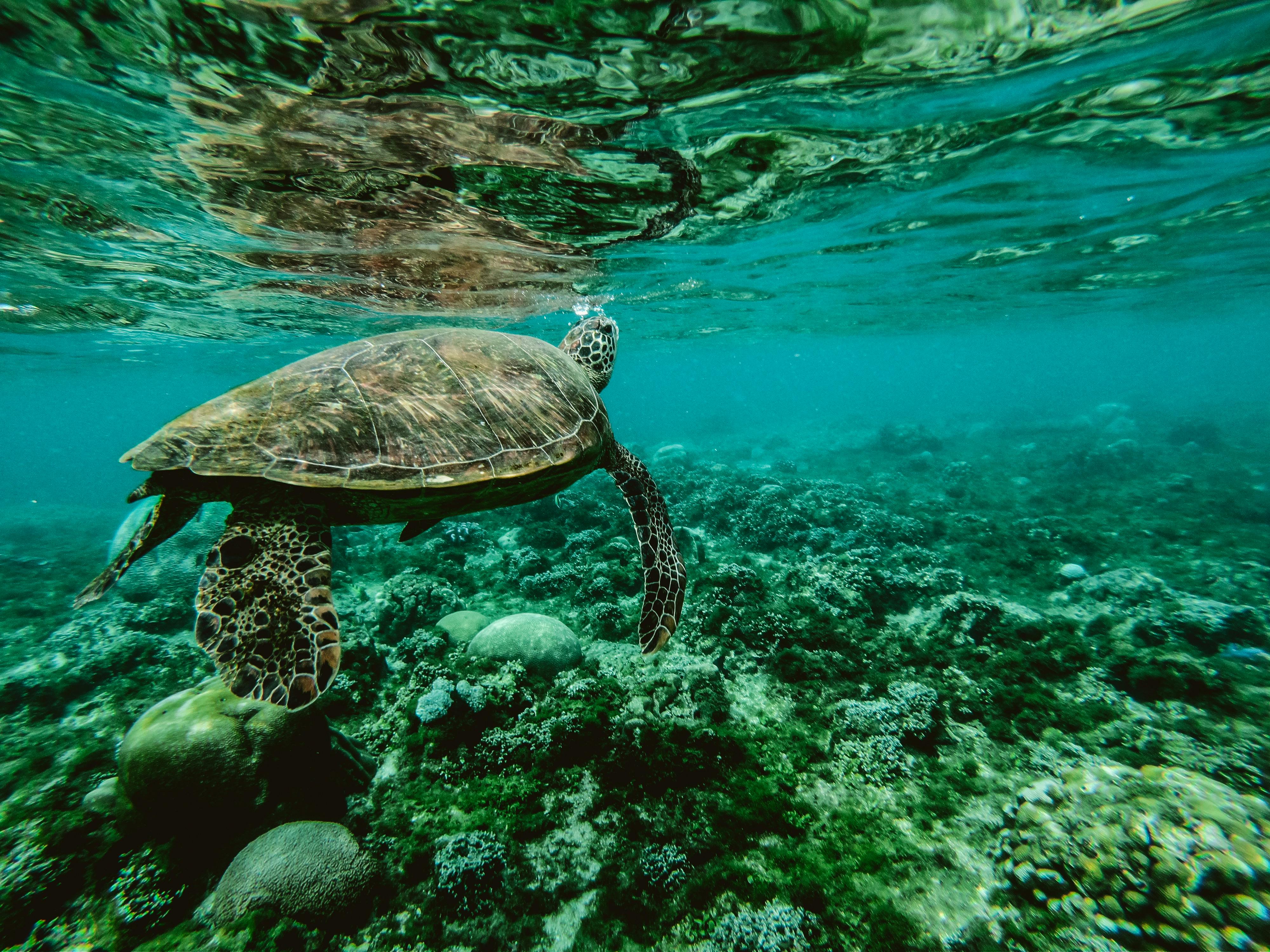
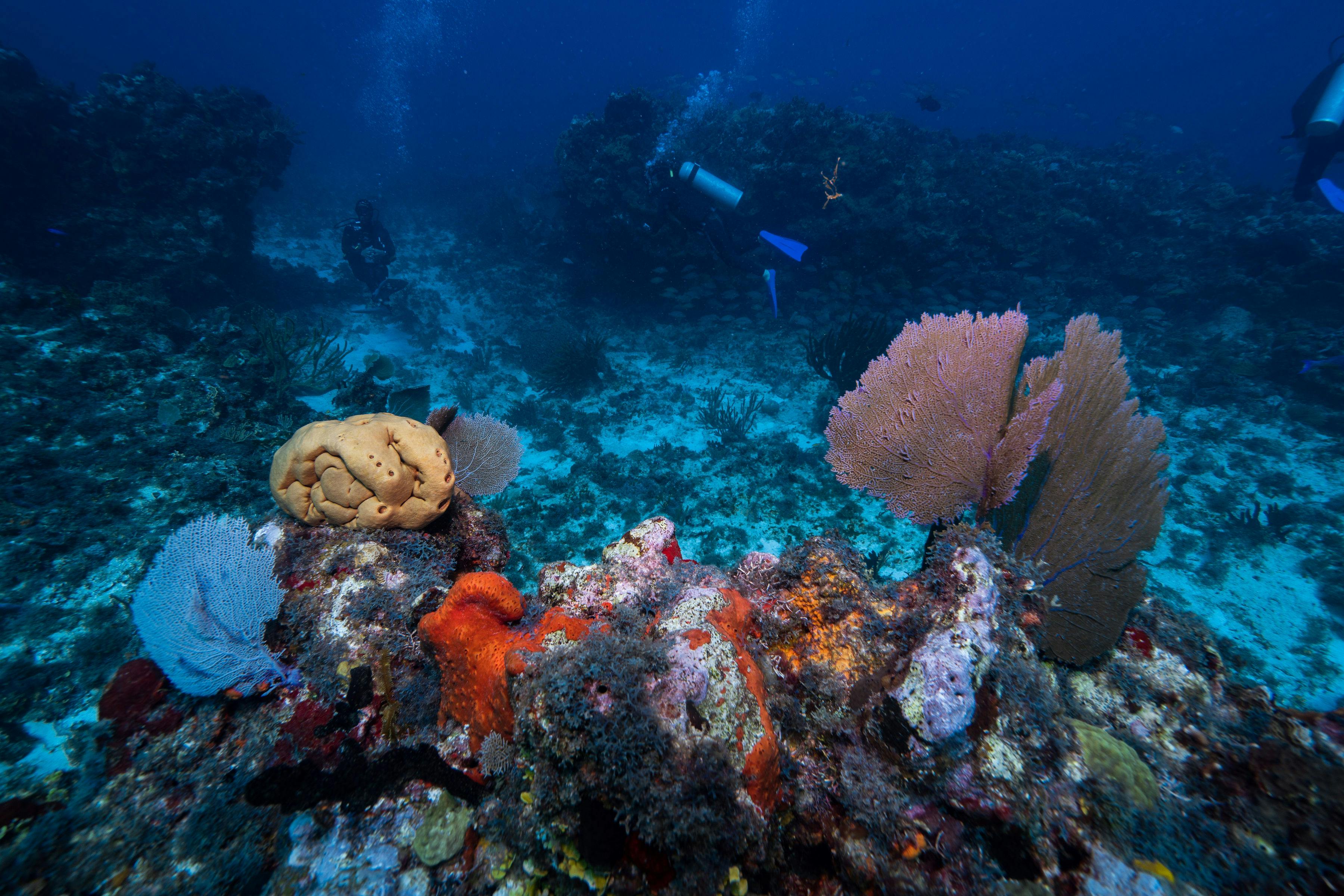
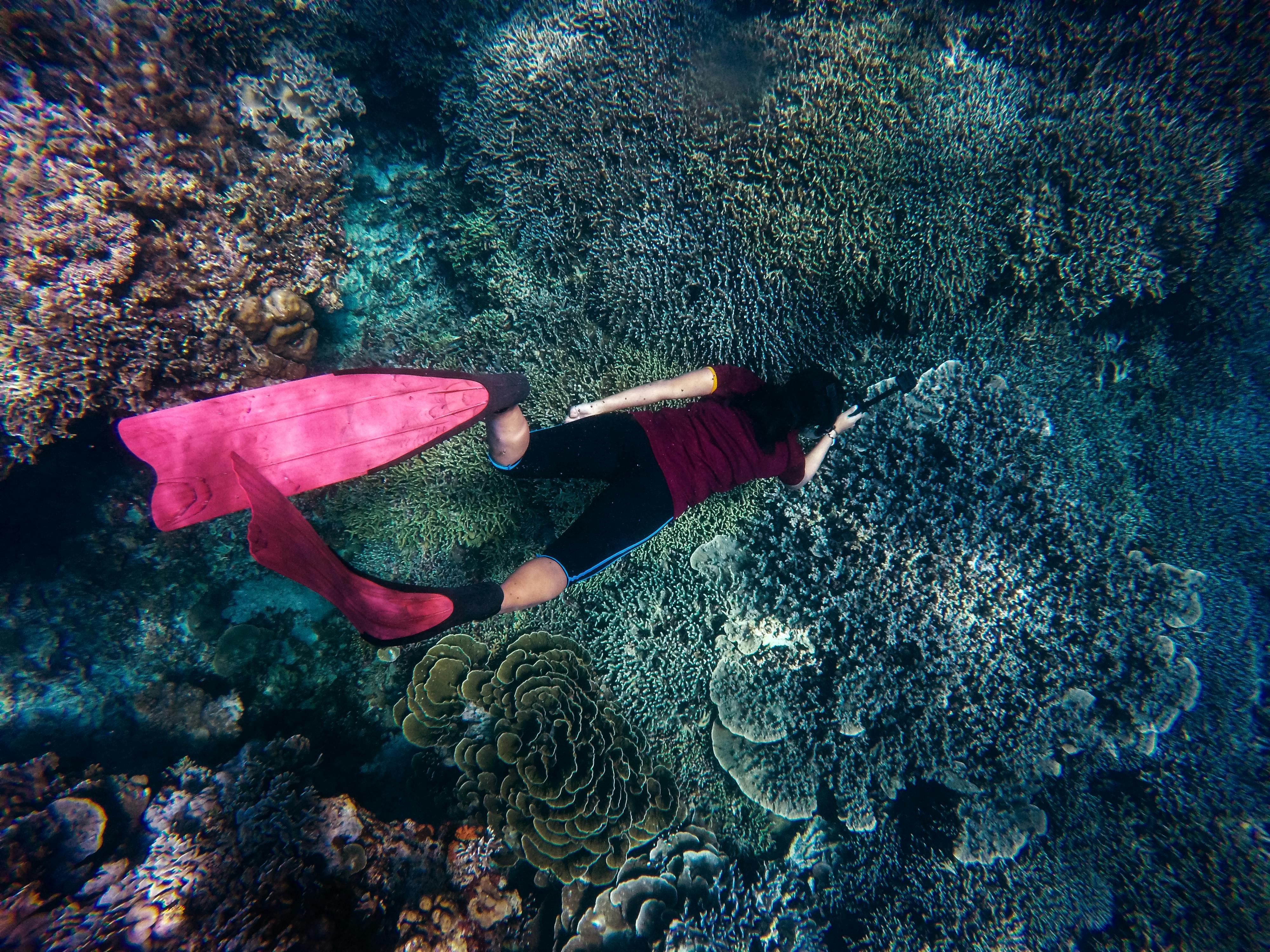
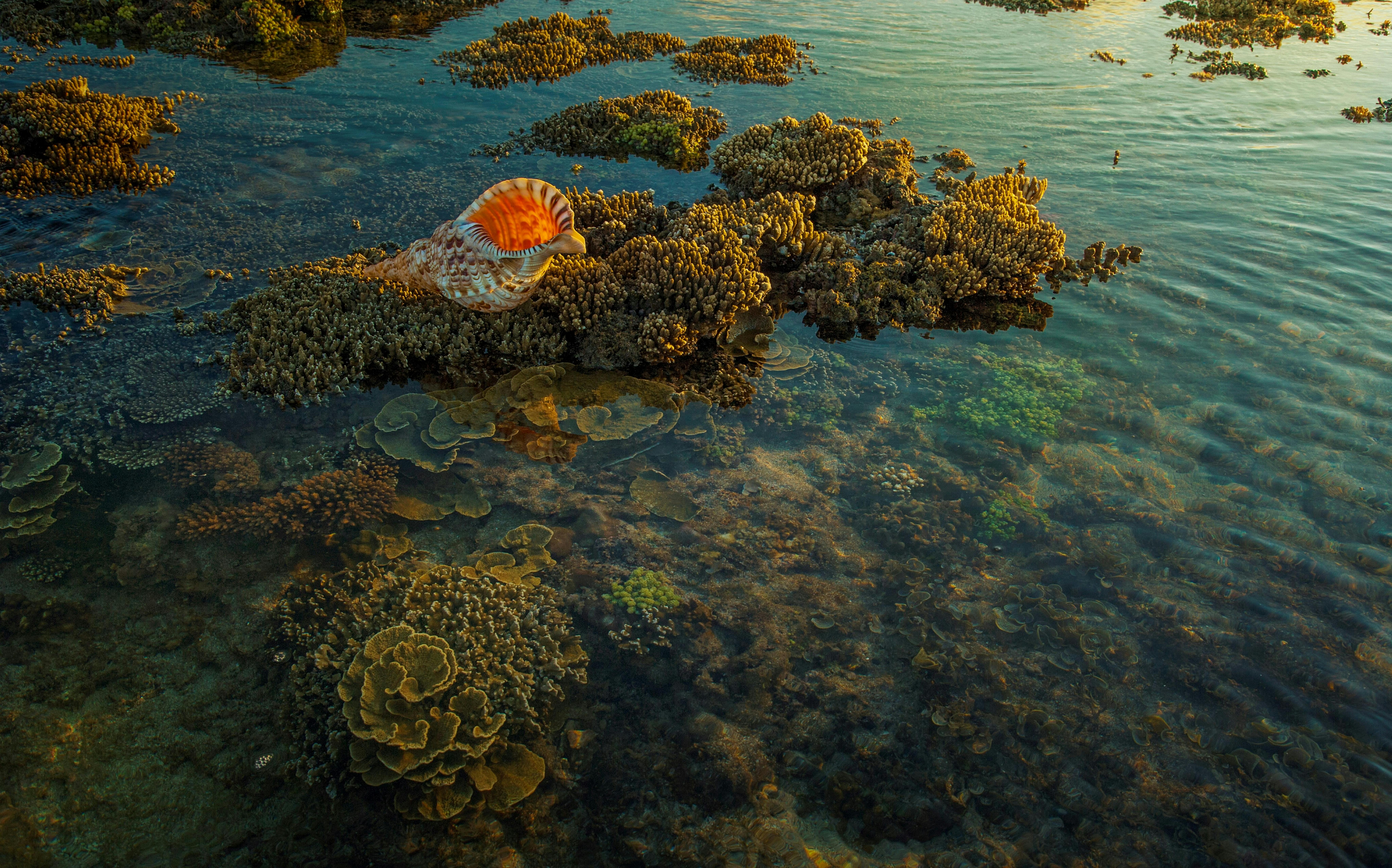
In the Philippines, our ocean is deeply tied with our way of life as Filipinos. With over 7,600 islands and approximately 36,000 kilometers of coastline, the sea has shaped our Filipino culture, including but not limited to our cuisines, and it also affects our economy for generations.
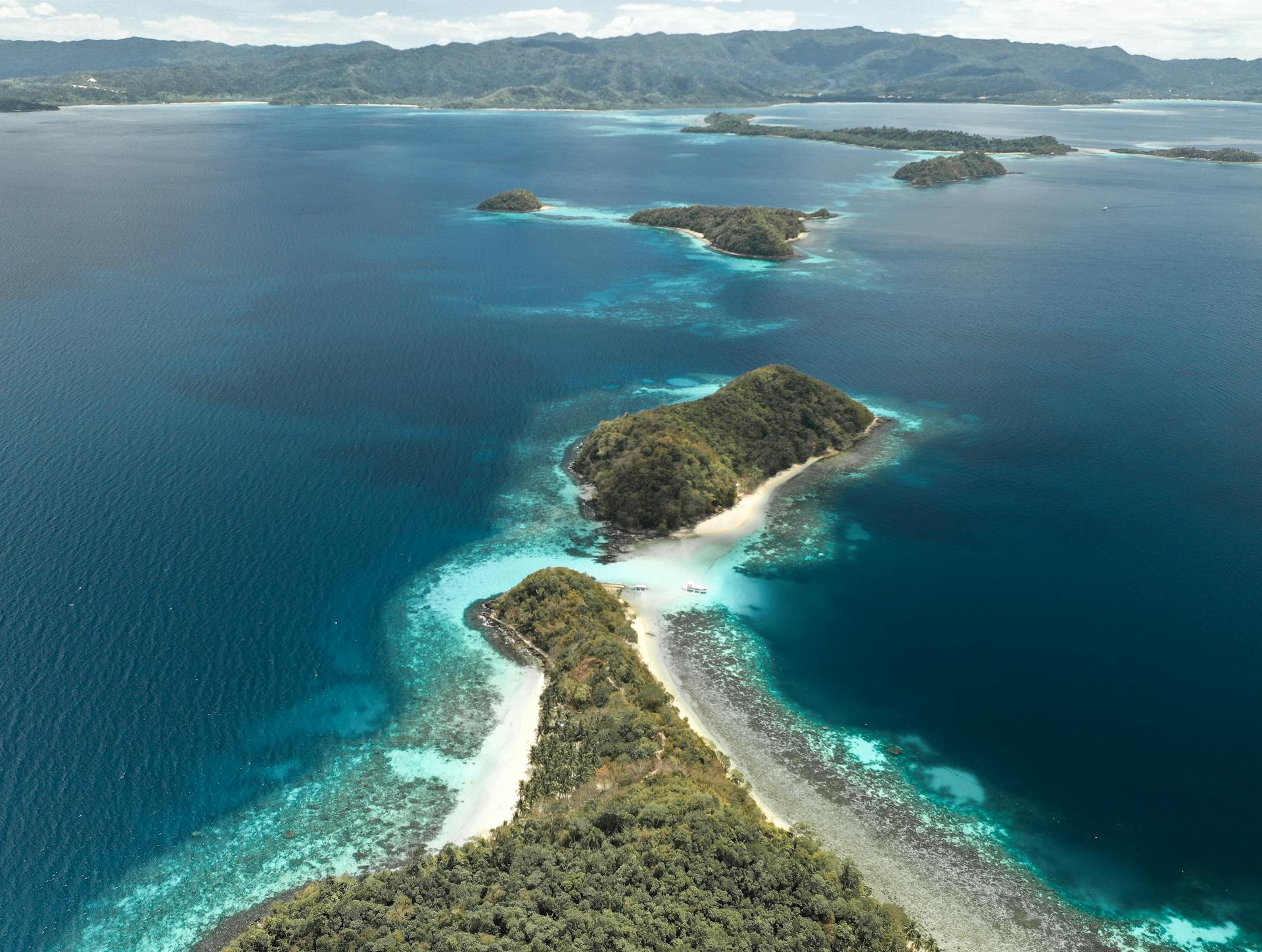
Photo by Symeon Ekizoglou
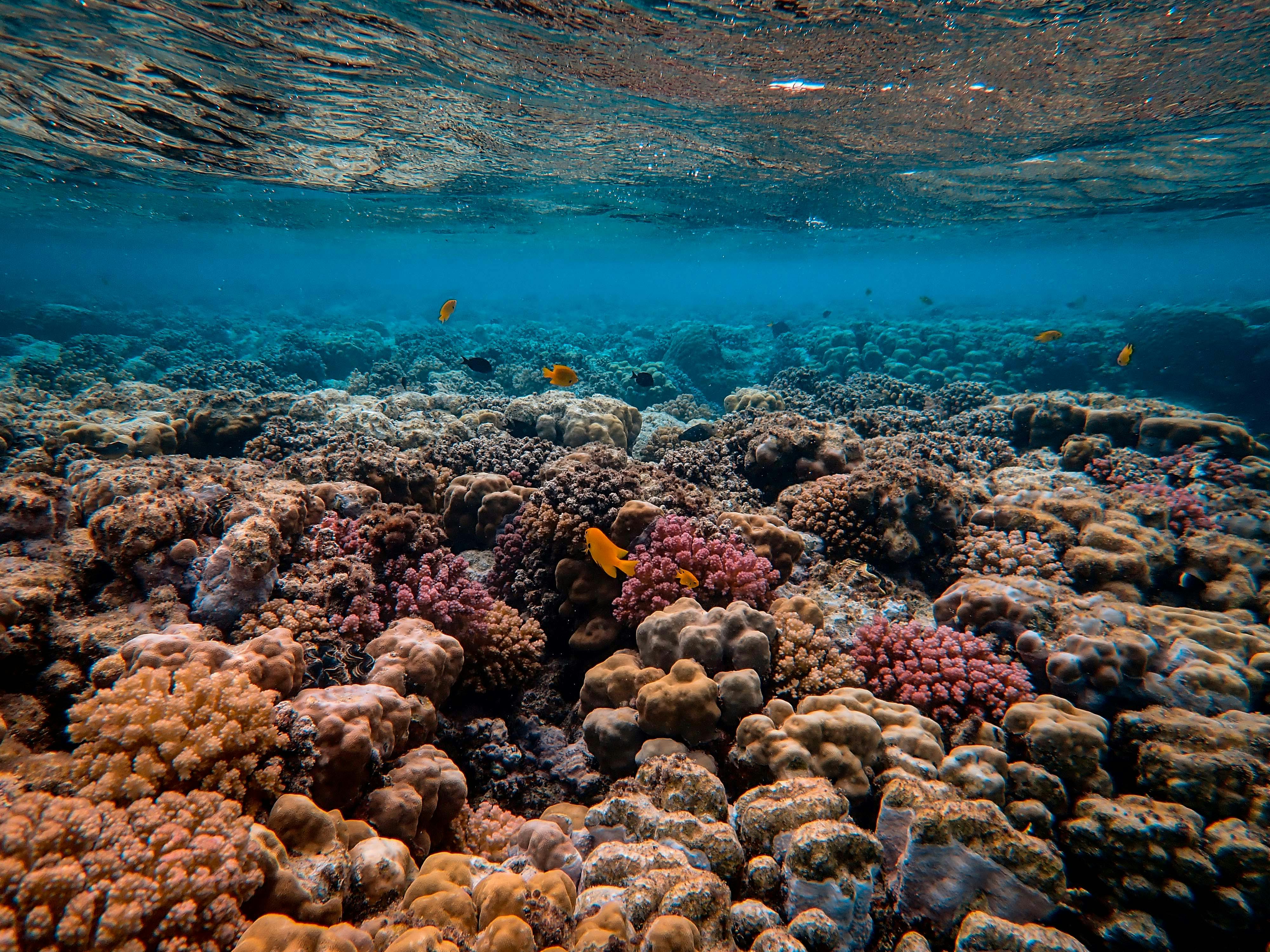
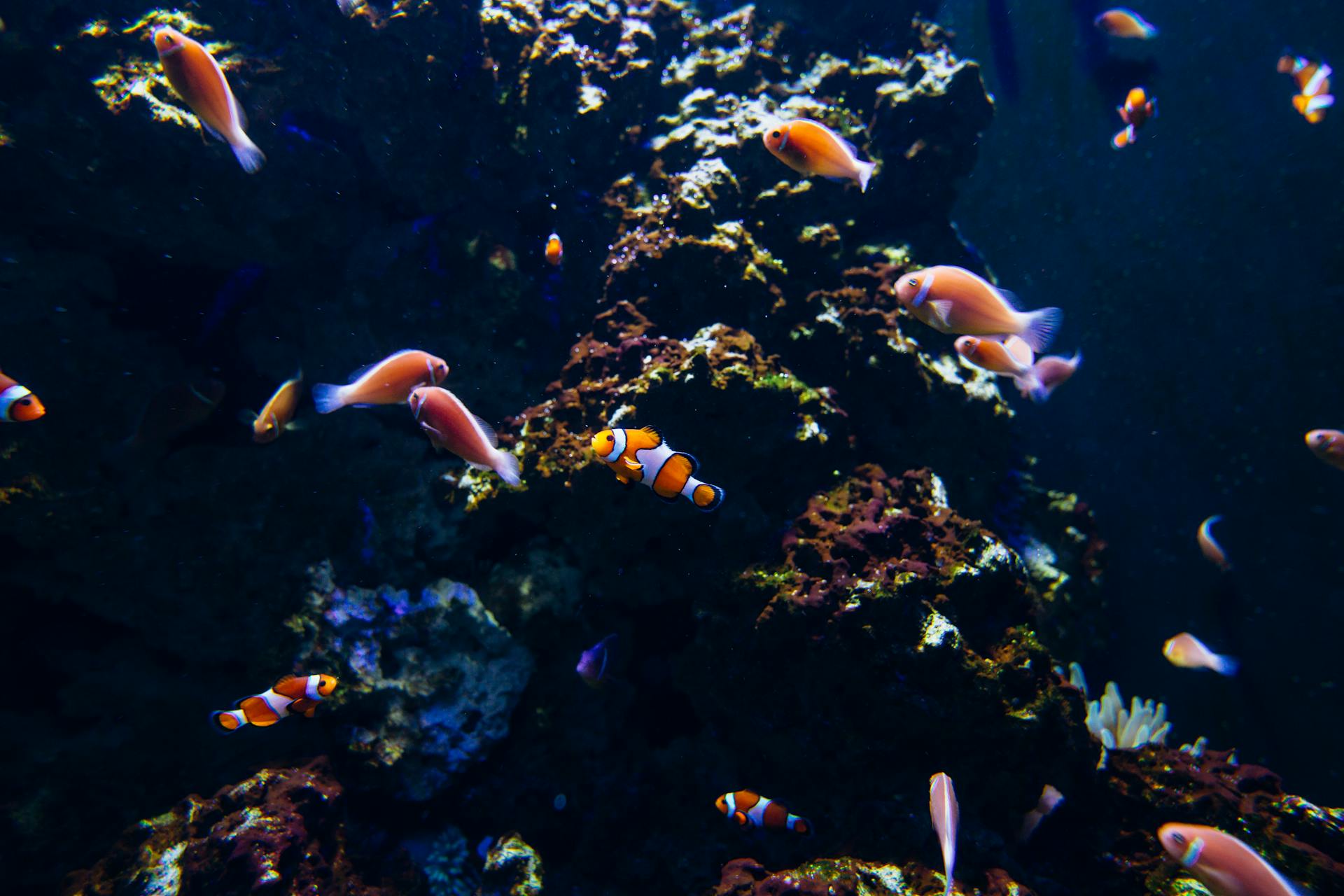
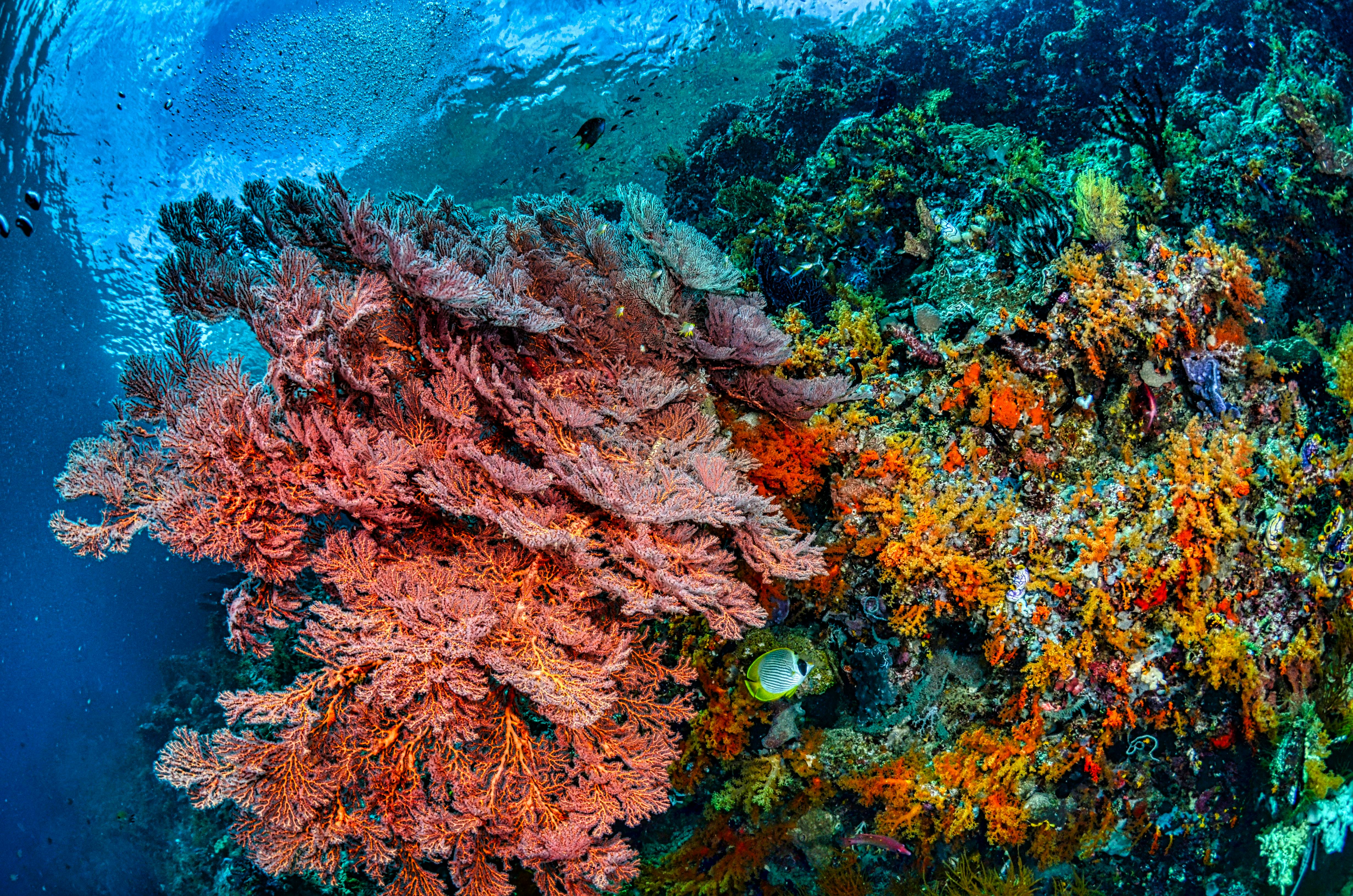
Photo by Francesco Ungaro
The Rich Marine Biodiversity
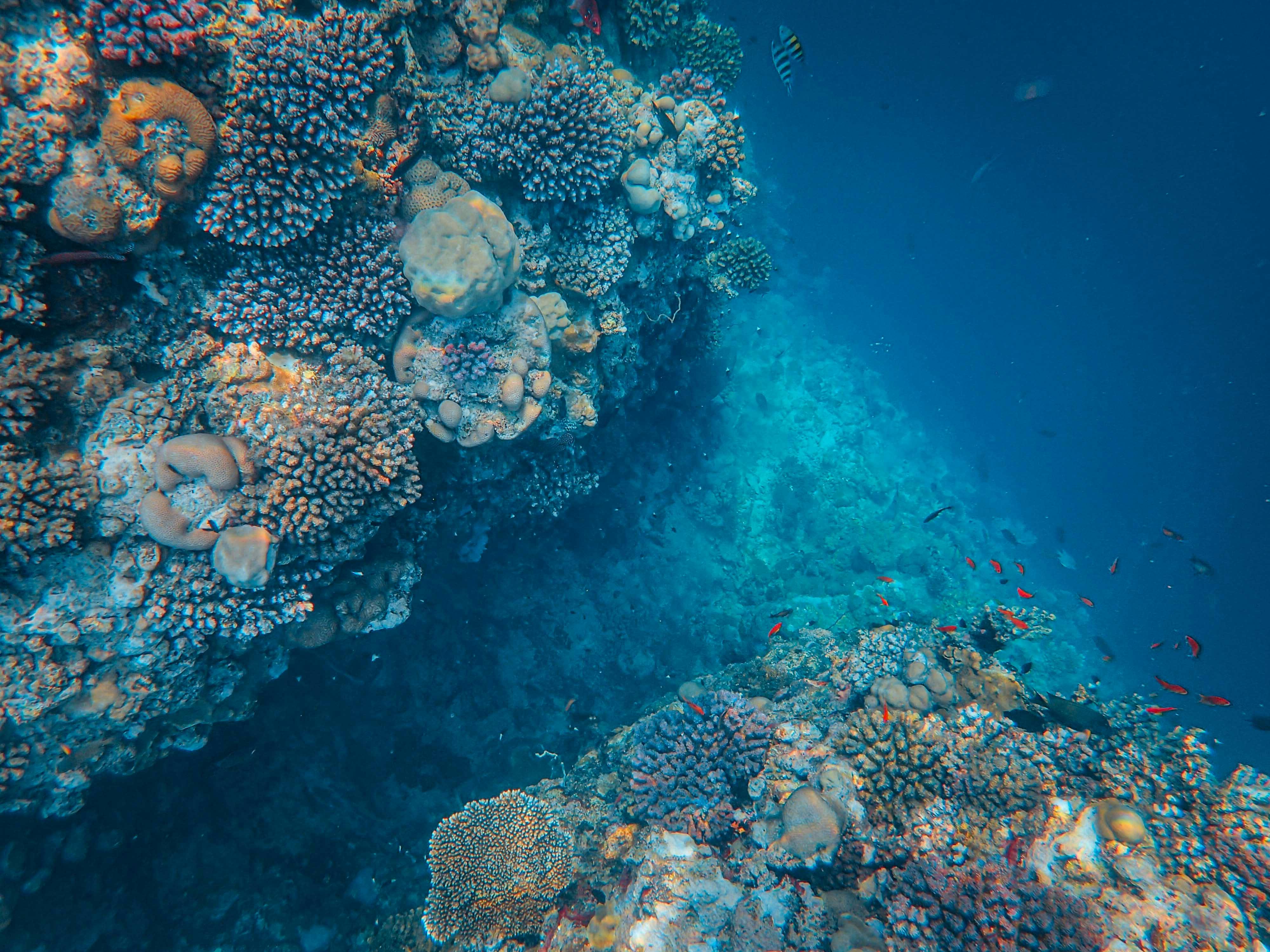
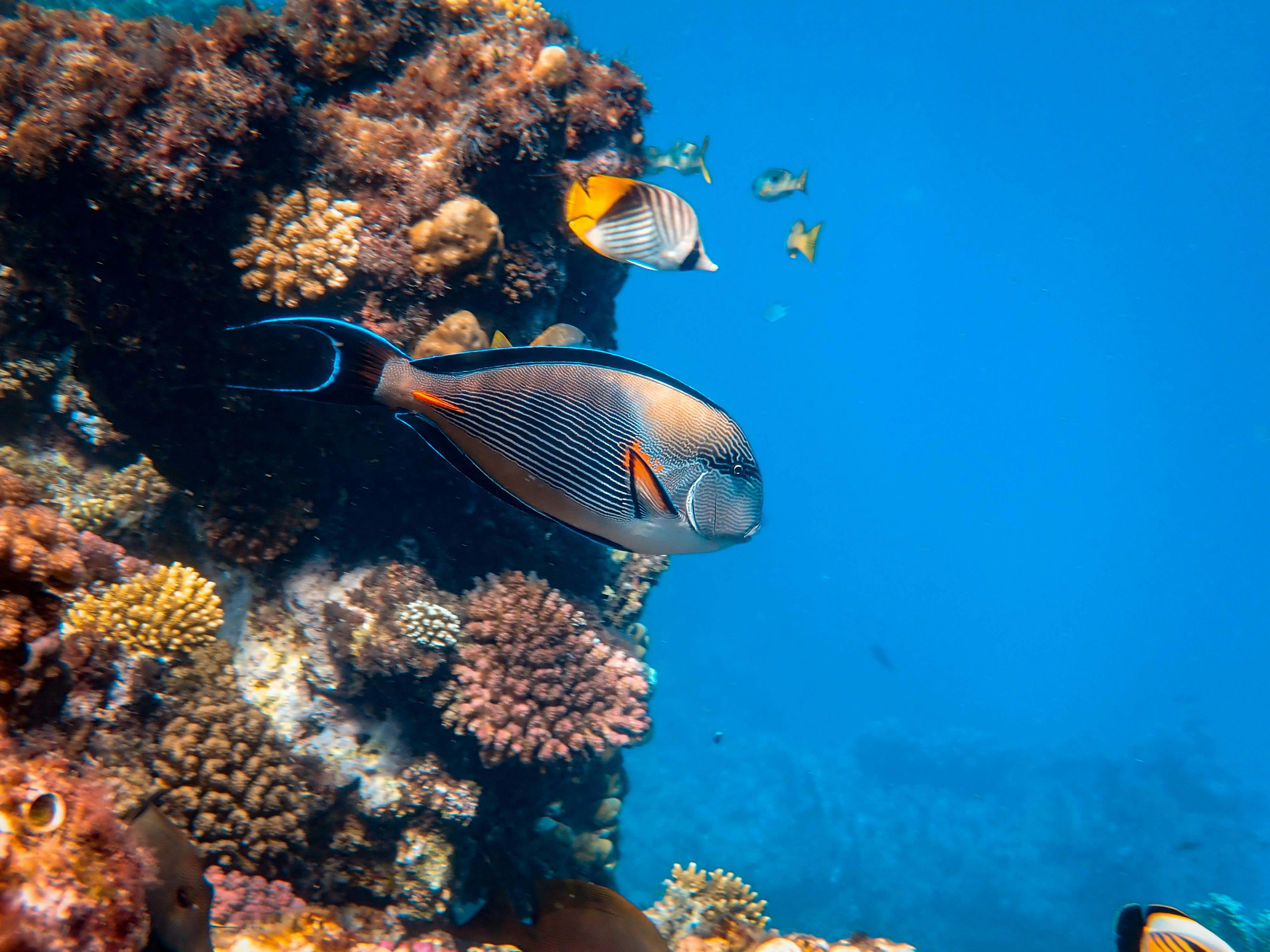
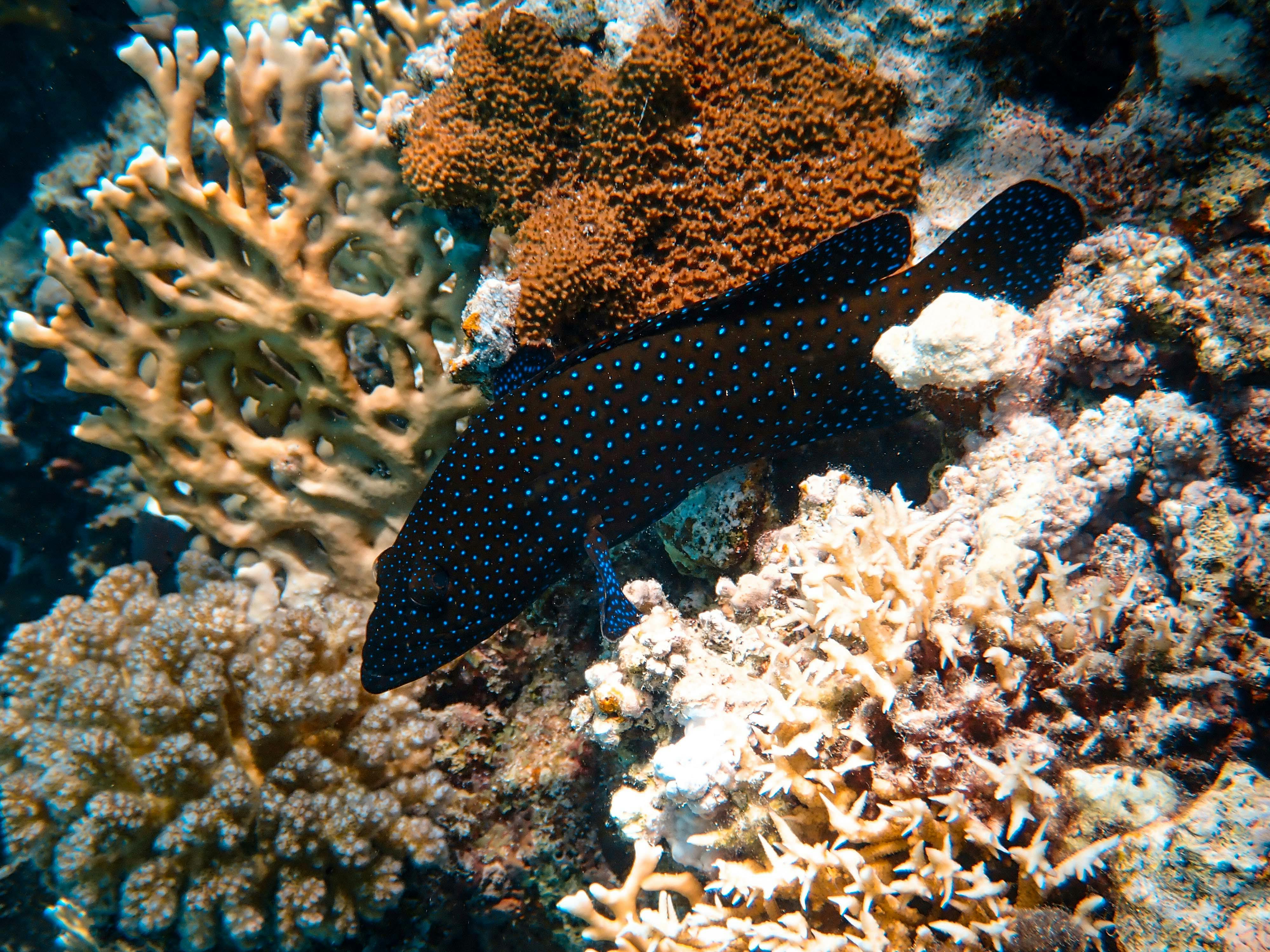
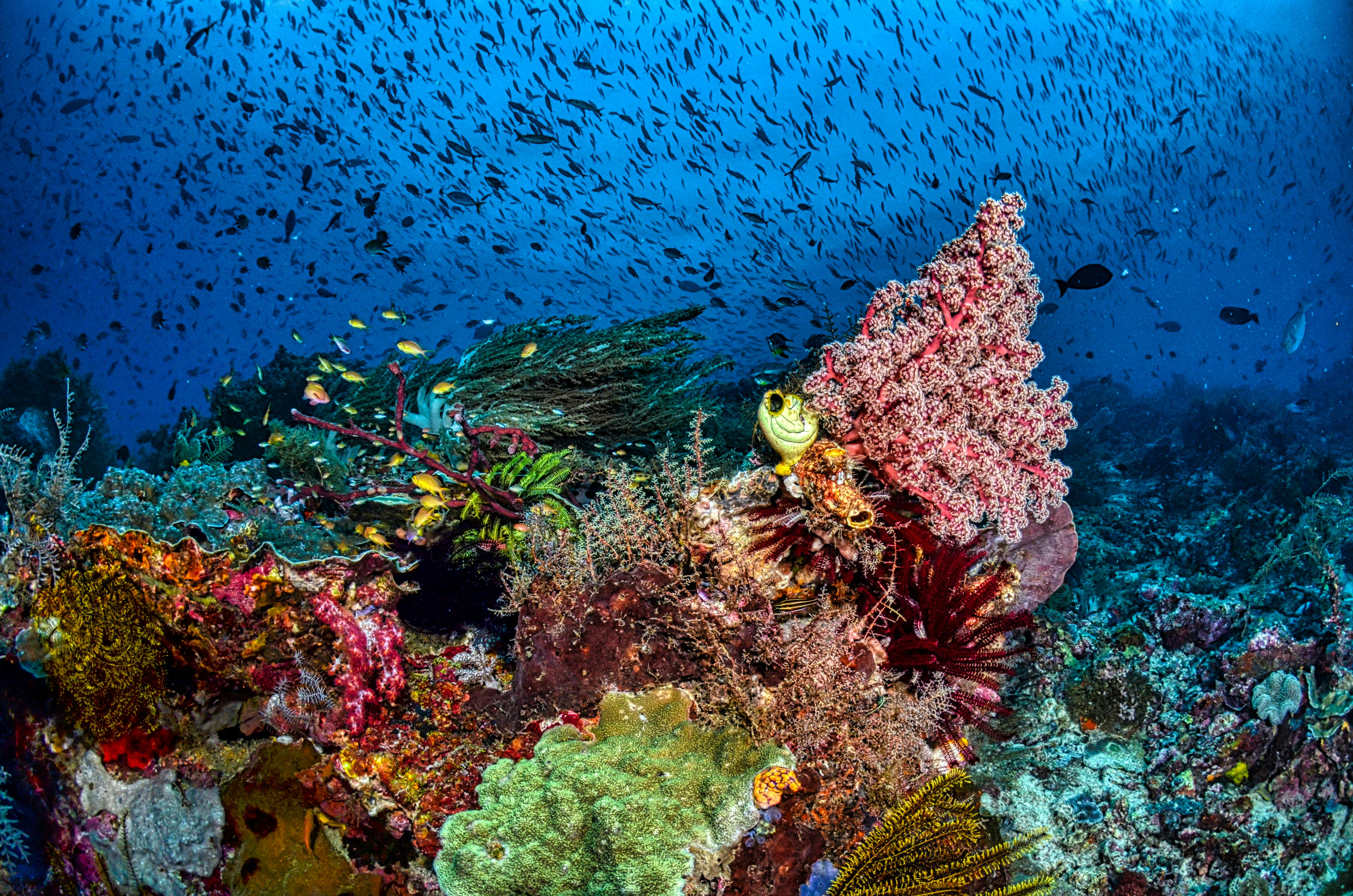
Additionally, The Philippine geography sits on the Coral Triangle, which is an area that has the highest marine biodiversity on earth, with 75 percent of the world's coral species are found here—nearly 600 different species and 37 percent reef fish species [1].
The Oceanic Lungs
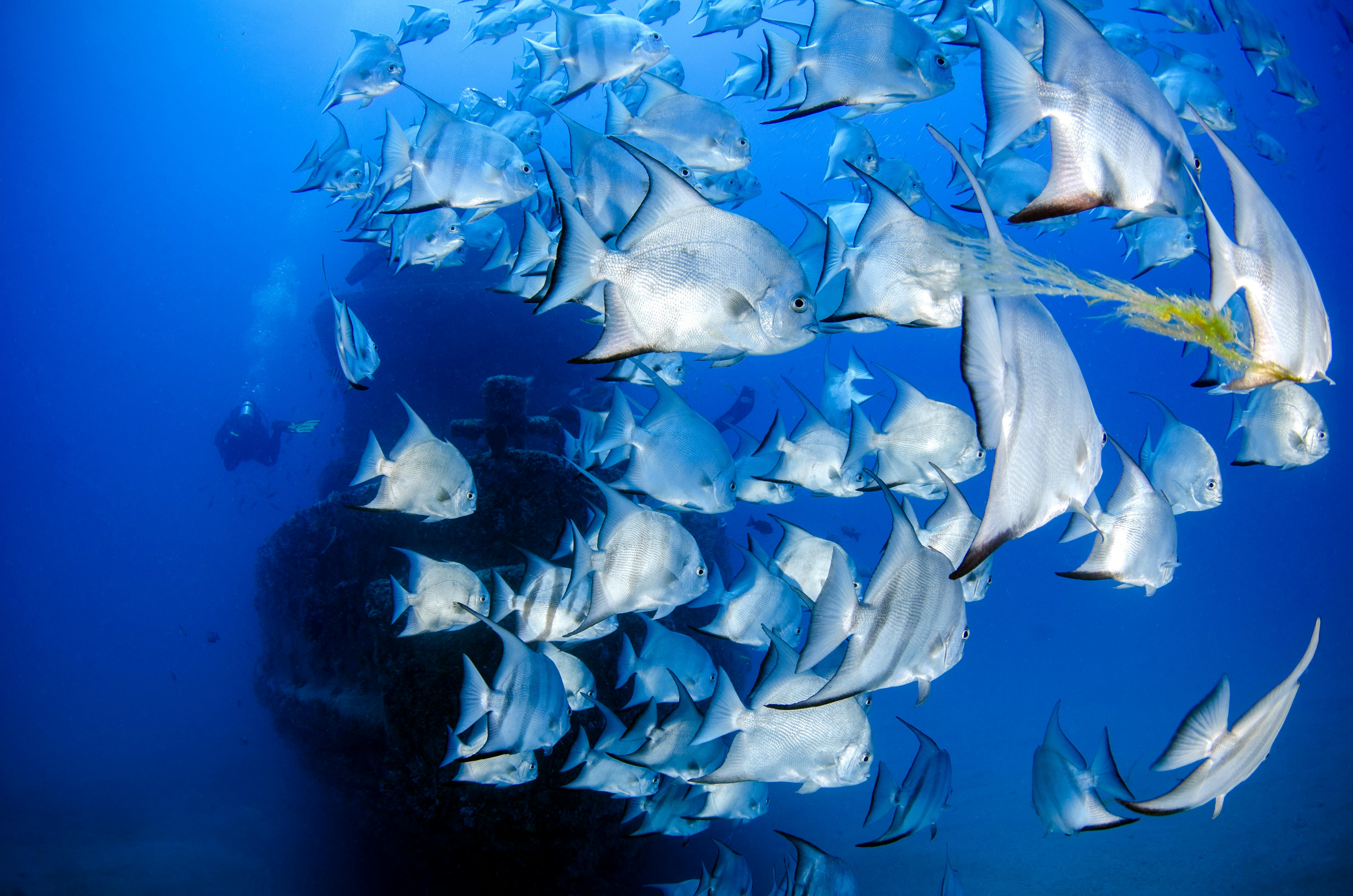
Scientists estimate that between 70 and 80 percent of the oxygen we breathe is produced by marine plants found in our ocean and nearly all of which are marine algae. These tiny ocean dwellers are working overtime to keep our atmosphere breathable, highlighting the critical role our oceans play in sustaining life on Earth.
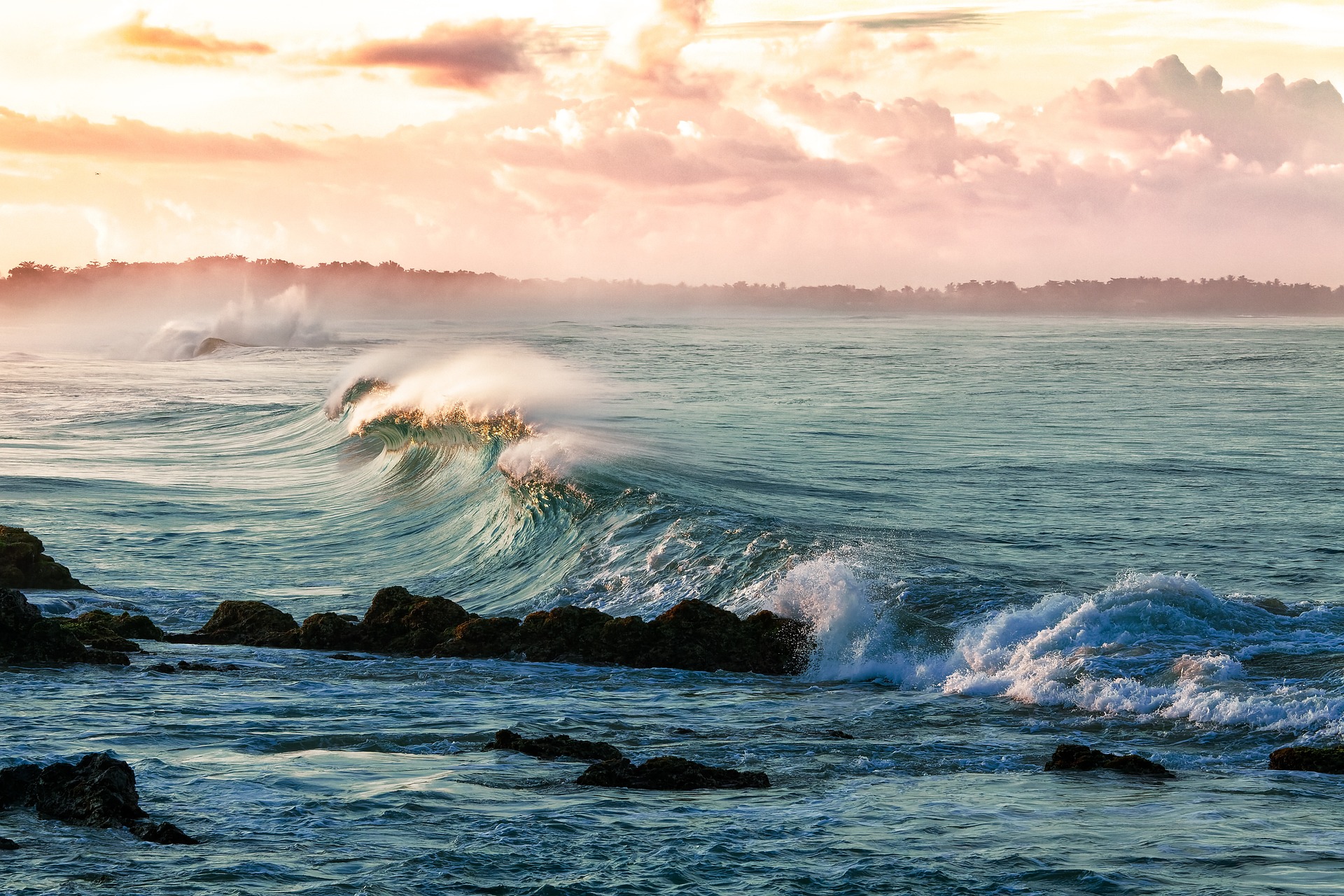
Photo by Kanenori
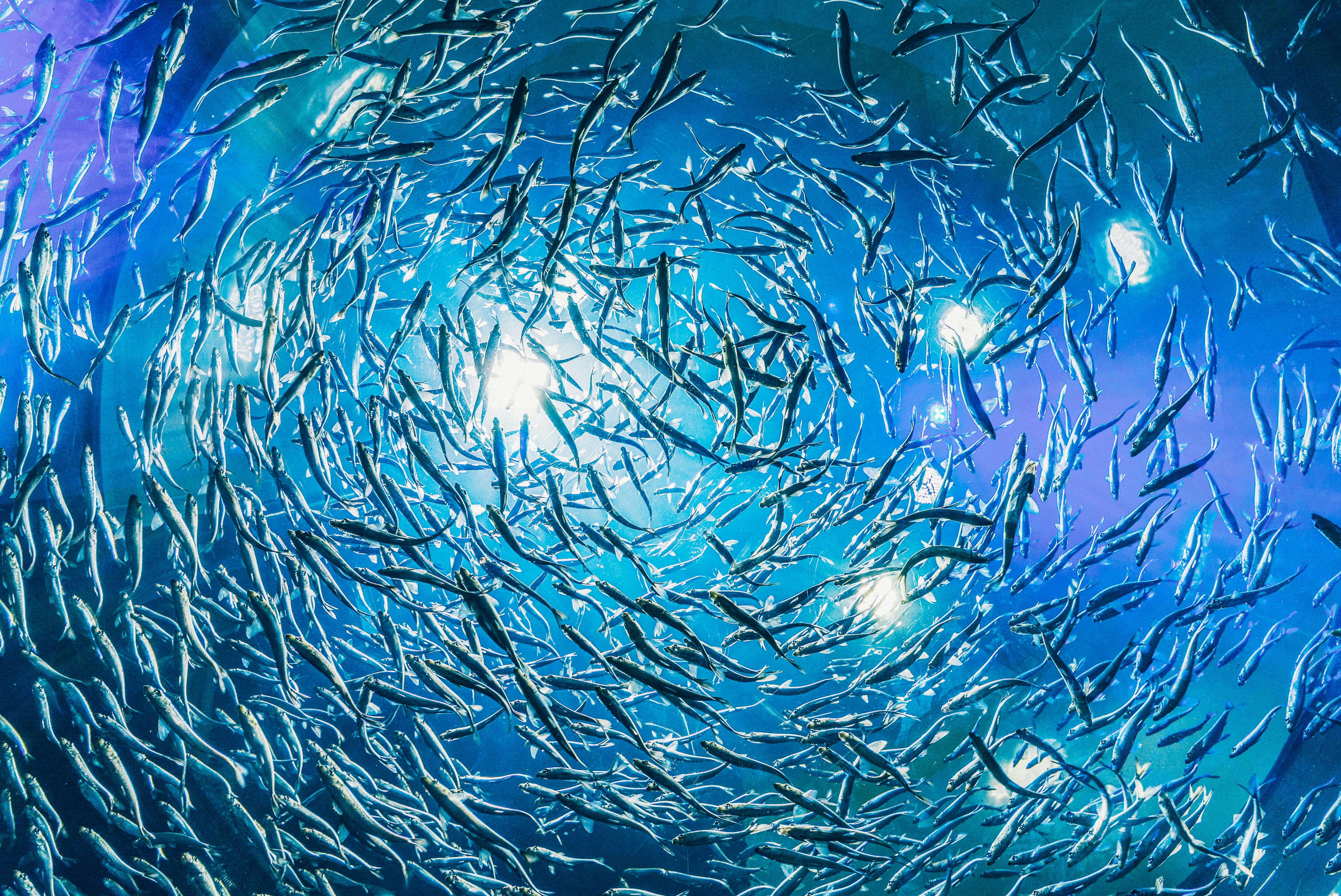
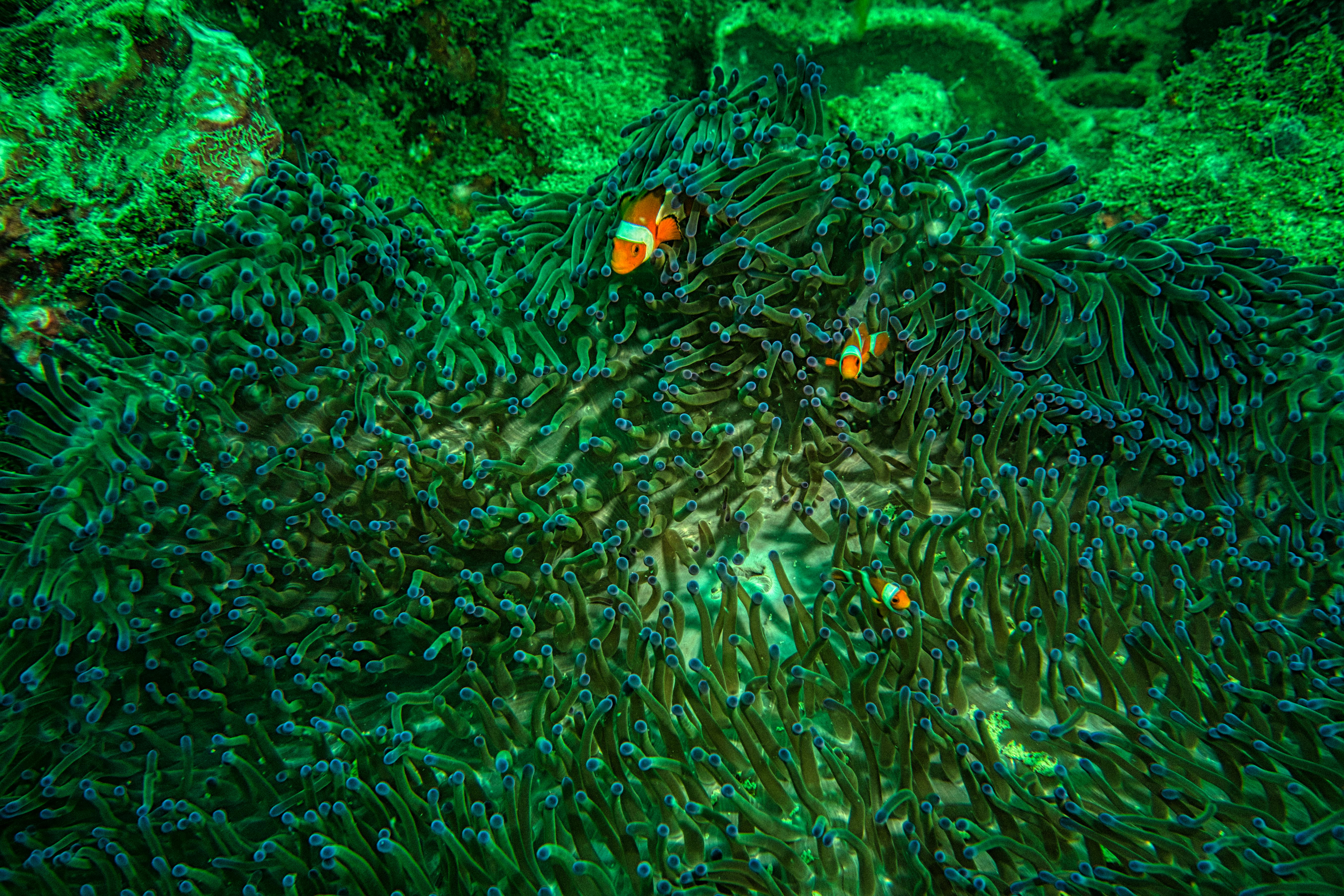
Photo by Harrison Haines
Oceans as Resources
Oceans are our planet’s life support as they provide water, food and help regulate the weather [2]. The ocean provides natural resources including materials, substances, energy and they also contribute to poverty reduction.
Rising Tides, Rising Concerns
Our oceans are under threat. Marine ecosystems are suffering due to overfishing, pollution, habitat degradation, and climate change, both in the Philippines and globally. To save the oceans for present and future generations, we need to take action right away.

Destructive Fishing
Local Fishermans often used destructive practices of fishing like the use of dynamite, cyanide, and bottom trawling.
Read More
Plastic Wastes
The Philippinees is the world's 3rd largest contributor of ocean plastic, generating 2.7 million metic tons of plastic waste annually
Read More
Overfishing
The sustainability of global fishery declined from 90% in 1974 to 65% in 2019, and further to 62% in 2021, and the greatest contributor of this are located on Southeast Pacific
Read More
Ocean Acidification
The ocean's pH has decreased from 8.11 to less than 8.05 in 2021, indicating an increase in acidity since 1985. Further decrease on the pH level are projected in the future.
Read More
Mangrove Loss
The Philippines has lost nearly half of its mangrove forests over the past century. It decreases from an estimated 500,000 to about 250,000 hectares in 1918-2000.
Read More
Coral Bleaching Crisis
Approximately 50% of the world's coral reef population have already been lost, and it is projected that in 2050, it will continue to climb to 90% if the current trends continue.
Read More
Tourism
Unregulated coastal tourism activities led to the destruction of coral reefs, posing a major threat to coastal resources.
Read More
Oil Spill
The Philippines experienced an enormous oil spill after a tanker carrying close to 1.5 million litres (400,000 gallons) of industrial fuel capsized and sank off the country's coast.
Read More
Eutrophication
Eutrophication is the process of nutrients accumulating in water, resulting in an increased growth of microorganisms that may deplete the water of oxygen.
Read More
Climate Change
Climate change is a major threat to ocean health globally, and one that adds to other ongoing anthropogenic threats which is causing some serious changes in oceans.
Read More